Potato Rosemary Rolls
Soft, tender potato rosemary rolls with fresh rosemary, shaped in clover leaf form. Perfect for Thanksgiving dinner. Easy homemade recipe that stays soft for da
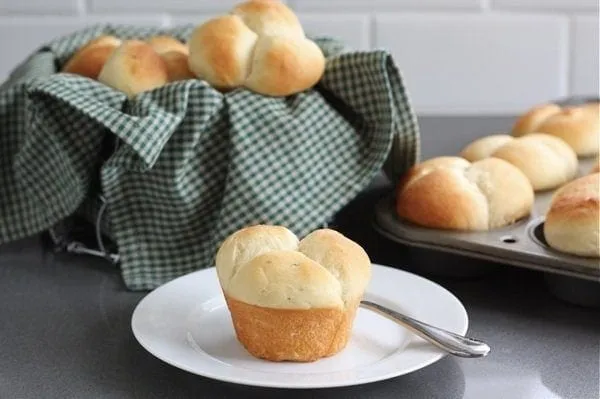
Table of contents
Why These Potato Rosemary Rolls Are a Thanksgiving Tradition
Every Thanksgiving morning, I’d wake up early to help my dad in the kitchen. We’d have the Macy’s parade on TV while we cooked. My job was always to help with his potato rolls. This year, we’re adding fresh rosemary to that same recipe. The rosemary gives the rolls a gentle herbal note that fits right in with the holiday meal. We shape them in clover leaf form, but you can make regular dinner rolls if you prefer. Either way, they’re soft, tender, and best hot out of the oven with a pat of butter.
Why You’ll Love These Soft Fluffy Mashed Potato Rolls
- Mashed potatoes keep the rolls tender and moist for days, not just the first hour out of the oven.
- Fresh rosemary adds a savory, piney aroma that fills the kitchen while they bake.
- The clover leaf shape makes them look special for Thanksgiving dinner rolls without extra effort.
Key Ingredients for Fresh Rosemary Rolls
- Mashed potatoes: Use plain mashed potatoes with no added butter or milk. Leftover mashed potatoes work great. They add moisture and a soft crumb that keeps the rolls tender.
- Fresh rosemary: Dried rosemary won’t give the same bright flavor. Strip the leaves from the stems and chop them finely so the herb distributes evenly through the dough.
- Shortening: Butter can be substituted, but shortening gives a lighter, fluffier texture. If you use butter, make sure it’s softened to room temperature.
Kitchen Tools for Homemade Dinner Rolls
- Muffin tin (standard 12-cup) for shaping the clover leaf rolls
- Large mixing bowl for combining dough
- Small bowl for proofing yeast
- Saucepan for scalding milk
- Measuring cups and spoons
- Stand mixer with dough hook (optional, but makes kneading easier)
Tips for Making the Best Potato Rosemary Rolls
Scald the milk first, then let it cool for two minutes before adding it to the shortening and sugar. That step helps the dough rise evenly. When you add the yeast mixture, make sure the water was warm, not hot, or you’ll kill the yeast. If the dough feels sticky after kneading for five minutes, add a little more flour a tablespoon at a time. You want it smooth and slightly tacky, not dry. Let the rolls rise in a warm, draft-free spot. I set the bowl near the oven while it preheats. The second rise in the muffin tin should take about 30 minutes, but watch the rolls, not the clock. They’re ready when they look puffy and doubled.
Shaping Clover Leaf Rolls for Thanksgiving Dinner
Clover leaf rolls look fancy but are simple to make. Pinch off about half a tablespoon of dough and roll it into a smooth ball. Place three balls into each greased muffin cup. That’s it. The three balls bake together into a single roll that pulls apart easily. If you want larger rolls, use a full tablespoon of dough per ball. Just keep the three-ball ratio so they still fit in the muffin tin. This shape is traditional for Thanksgiving dinner rolls and makes them easy to split and butter.
Variations for Potato Rosemary Rolls
If you don’t have fresh rosemary, try dried thyme or sage instead, using about one tablespoon. For a sweeter roll, omit the rosemary and add a tablespoon of honey to the dough. You can also shape the dough into one large round loaf and bake it in a greased 9-inch cake pan for about 25 minutes. To make these rolls dairy-free, use a plant-based milk and substitute the shortening with a vegan butter stick.
What to Serve with Potato Rosemary Rolls
These rolls are a natural fit for Thanksgiving dinner. Serve them alongside turkey, gravy, and cranberry sauce. They also pair well with roasted chicken or a hearty beef stew. For a simple weeknight meal, split one open and use it for a turkey sandwich the next day. A little softened butter or honey butter on top is all they need.
How to Store Leftover Potato Rosemary Rolls
Store leftover rolls in an airtight container at room temperature for up to three days. They’ll stay soft thanks to the mashed potatoes. If your kitchen is warm, you can refrigerate them, but they may dry out a little faster. Reheat briefly before serving to bring back the fresh-baked texture.
How to Freeze Potato Rosemary Rolls
These rolls freeze beautifully. Let them cool completely after baking, then place them in a single layer in a freezer bag or airtight container. Freeze for up to three months. To thaw, leave them at room temperature for about an hour, then warm in a 300°F oven for five to seven minutes. You can also freeze the shaped, unbaked rolls. Arrange the dough balls in the muffin tin, freeze until solid, then transfer to a bag. When ready to bake, let them thaw and rise in the tin for about an hour, then bake as directed.
Best Ways to Reheat Potato Rosemary Rolls
The best way to reheat these rolls is in the oven. Wrap them loosely in foil and warm at 300°F for about 10 minutes. This keeps the outside from drying out while the inside steams back to softness. You can also microwave one roll for 15 seconds, but the texture won’t be as good. For a crispier exterior, skip the foil and heat them directly on the oven rack for five minutes.
Potato Rosemary Rolls FAQs
Can I use instant yeast instead of active dry yeast?
Yes. Use the same amount (2.25 teaspoons) and skip the proofing step. Mix the instant yeast directly with the flour. The rise times may be slightly shorter, so keep an eye on the dough.
Why are my rolls dense instead of fluffy?
Dense rolls usually mean the dough didn’t rise enough. Make sure your yeast is fresh and the water was warm (about 110°F). Also, don’t over-knead. Five minutes of kneading is enough. If you add too much flour, the rolls will be heavy.
Can I make the dough ahead of time?
Yes. After the first rise, punch down the dough, cover it tightly, and refrigerate for up to 24 hours. When you’re ready to shape, let the dough sit at room temperature for 20 minutes before forming the rolls. The second rise may take a little longer because the dough is cold.
Equipment
- small bowl
- large bowl
- muffin tin
- oven
- Prep
- PT0M
- Cook
- 17 min
- Total
- PT0M
- Servings
- 30 servings
- Cuisine
- American
Ingredients
Instructions
- In a small bowl, put the yeast in the warm water and stir with a spoon. Let sit for about five minutes or until the yeast starts to bubble. Scald the milk and let it cool for two minutes.
- In a large bowl, mix together sugar, shortening, and salt. Add the milk and stir in one cup of the flour. Next, add the yeast mixture and the beaten eggs. Add the mashed potatoes and rosemary and stir. Stir in the remaining flour until the dough comes together.
- On a lightly floured surface, knead the dough until smooth, about 5 minutes. If the dough is too sticky, add a little more flour. Place the dough in a large greased bowl and let rise in a warm spot for about 45 minutes or until doubled in size.
- Punch down the dough. To form the rolls, pinch off about a ½ tablespoon of dough and roll into a ball. Place three balls into a greased muffin tin. Continue forming rolls until dough is gone. Let the rolls rise until doubled in size, about 30 minutes. Bake rolls at 375 degrees F for about 15-17 minutes or until golden brown. Remove from oven and serve warm.
Nutrition (per serving, estimated)
- Calories
- 190 kcal10% DV
- Protein
- 4 g8% DV
- Fat
- 7 g9% DV
- Carbs
- 28 g10% DV
- Fiber
- 1 g4% DV
- Sodium
- 170 mg7% DV
% Daily Values are based on a 2,000-calorie diet (FDA). Values are estimates — see our nutrition data sources.
complete the meal
Pairs Well With

First published